
Deciding to stop drinking is a courageous first step toward reclaiming your health and life. However, what many people don’t realize is that for those with alcohol dependence, quitting abruptly can be medically dangerous—and in some cases, life-threatening. Understanding why professional medical supervision matters during alcohol detox can make the difference between a safe recovery journey and a potentially dangerous situation.
If you or someone you care about is considering alcohol detox in New Jersey, knowing what to expect and why medical support is essential can help you make informed decisions about your path forward.
Understanding Alcohol Withdrawal: What Your Body Goes Through
When you’ve been drinking heavily for an extended period, your body adapts to the constant presence of alcohol. Your brain chemistry adjusts, and your nervous system compensates for alcohol’s depressant effects. When you suddenly stop drinking, your body needs time to readjust, and this readjustment process is what we call withdrawal.
Alcohol withdrawal symptoms can range from uncomfortable to severe, and importantly, they’re highly unpredictable. Some people experience relatively mild symptoms, while others face serious medical complications, even if they have similar drinking patterns.
Common Withdrawal Symptoms
Early withdrawal symptoms may include:
- Anxiety and restlessness
- Tremors or shaking hands
- Sweating and rapid heart rate
- Nausea and vomiting
- Headaches
- Difficulty sleeping
- Irritability and mood changes
These symptoms typically begin within hours of the last drink, but the timeline varies by person based on factors like drinking history, overall health, and individual physiology.
When Withdrawal Becomes Dangerous
For some individuals, withdrawal progresses to more severe symptoms including:
- Seizures (which can occur within 12-48 hours after the last drink)
- Severe confusion and disorientation
- Hallucinations (seeing, hearing, or feeling things that aren’t there)
- Delirium tremens (DTs); a potentially serious condition involving severe confusion, fever, and cardiovascular instability
Why Medical Supervision Is Critical for Safe Alcohol Detox in NJ
Given the unpredictable and potentially dangerous nature of alcohol withdrawal, attempting to detox alone, sometimes called “going cold turkey,” carries significant risks that professional medical supervision can prevent or manage effectively.
24/7 Medical Monitoring
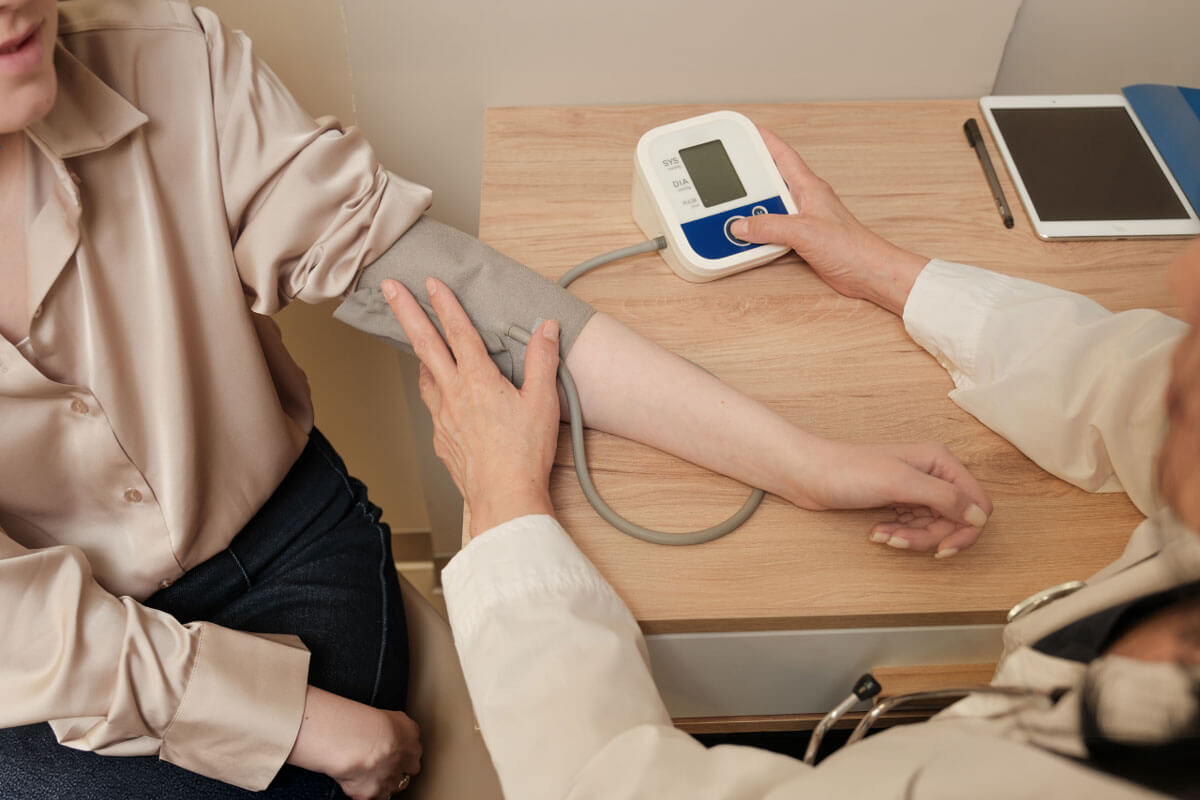
At a detox center in New Jersey, trained medical professionals monitor your vital signs and symptoms around the clock. This continuous observation allows the care team to identify warning signs of complications early and intervene before symptoms become severe. Your safety and comfort remain our top priorities throughout the entire detox process.
Compassionate Symptom Management
Medical supervision at our detox center NJ facility allows for appropriate intervention to manage withdrawal symptoms as they arise. Rather than suffering through severe discomfort that might lead you to resume drinking just to feel better, professional support helps you get through the most challenging phase of early recovery more safely and comfortably. Our caring team ensures you’re never alone during this critical time.
Evidence-Based Safety Protocols
Professional detox centers in New Jersey follow established medical protocols designed to minimize risks and support safe withdrawal. The specific approach varies by person and is tailored to individual needs and medical history.
Addressing Co-Occurring Conditions
Many people seeking alcohol detox NJ services also have co-occurring mental health conditions, chronic pain, or other medical issues that can complicate withdrawal. Medical supervision ensures these conditions are considered and managed appropriately during the detox process through dual diagnosis treatment. We treat the whole person, not just the symptoms.
Beyond Detox: Connecting to Comprehensive Wellness Care
Detox is an important first step, but it’s only part of the recovery process. While detox focuses on helping the body manage withdrawal, ongoing treatment can address the emotional, behavioral, and lifestyle factors that may contribute to substance use. At Restore Health & Wellness Center Northeast, care can continue beyond detox to support longer-term recovery.
Detox as a Foundation for Restored Health
Think of detox as clearing the foundation before building a house. It creates the stable physical baseline needed to engage fully in the therapeutic work that follows. Without this foundation, it’s difficult to focus on the deeper healing work of recovery. Our patient-centered approach ensures this foundation is solid and sustainable.
Seamless Transition to Continued Treatment
The most successful recovery outcomes occur when detox connects seamlessly to the next level of care. This might include residential treatment, outpatient programs, therapy, support groups, and holistic wellness services that address the whole person, body, mind, and spirit.
Similar to how drug detox requires medical oversight followed by comprehensive treatment, alcohol detox should be viewed as the entry point to a continuum of care rather than a standalone solution.
Personalized, Holistic Treatment Planning
During medically supervised detox, our care team can assess your unique needs, challenges, and goals. This comprehensive assessment informs personalized treatment recommendations that address not just alcohol use, but the underlying factors contributing to it and your overall health and wellness. We work collaboratively with you to develop a path forward that honors your individual journey.
Frequently Asked Questions About Alcohol Detox NJ
How long does alcohol detox take?
The duration varies by person based on drinking history, individual physiology, and overall health. The acute withdrawal phase typically lasts 5-7 days, but the complete timeline depends on individual factors.
Can I detox from alcohol at home?
Detoxing from alcohol at home can be dangerous because withdrawal symptoms can become severe and unpredictable. Medical supervision is recommended to help manage withdrawal safely and address any complications that may arise.
Will I need medication during detox?
Whether medications are appropriate depends on individual assessment by our medical professionals. The care team determines the best approach based on your specific needs, medical history, and withdrawal symptoms.
What happens after detox is complete?
Successful recovery requires transitioning from detox to ongoing treatment that addresses the psychological and behavioral aspects of alcohol use.
How do I know if I need medical detox for alcohol?
If you’ve been drinking heavily for an extended period, have tried to quit before and experienced withdrawal symptoms, or have any health concerns, medical detox is strongly recommended.
Take the First Step Toward Restored Health and Wellness
You don’t have to navigate alcohol detox alone. Professional medical supervision at Restore Health & Wellness Center Northeast provides the safety, support, and compassionate foundation you need to begin your recovery journey with confidence.
Ready to learn more about safe, medically supervised alcohol detox in New Jersey? Contact us today to speak with our caring team about your options. Take the first step toward reclaiming your life; we’re here to help you every step of the way.