
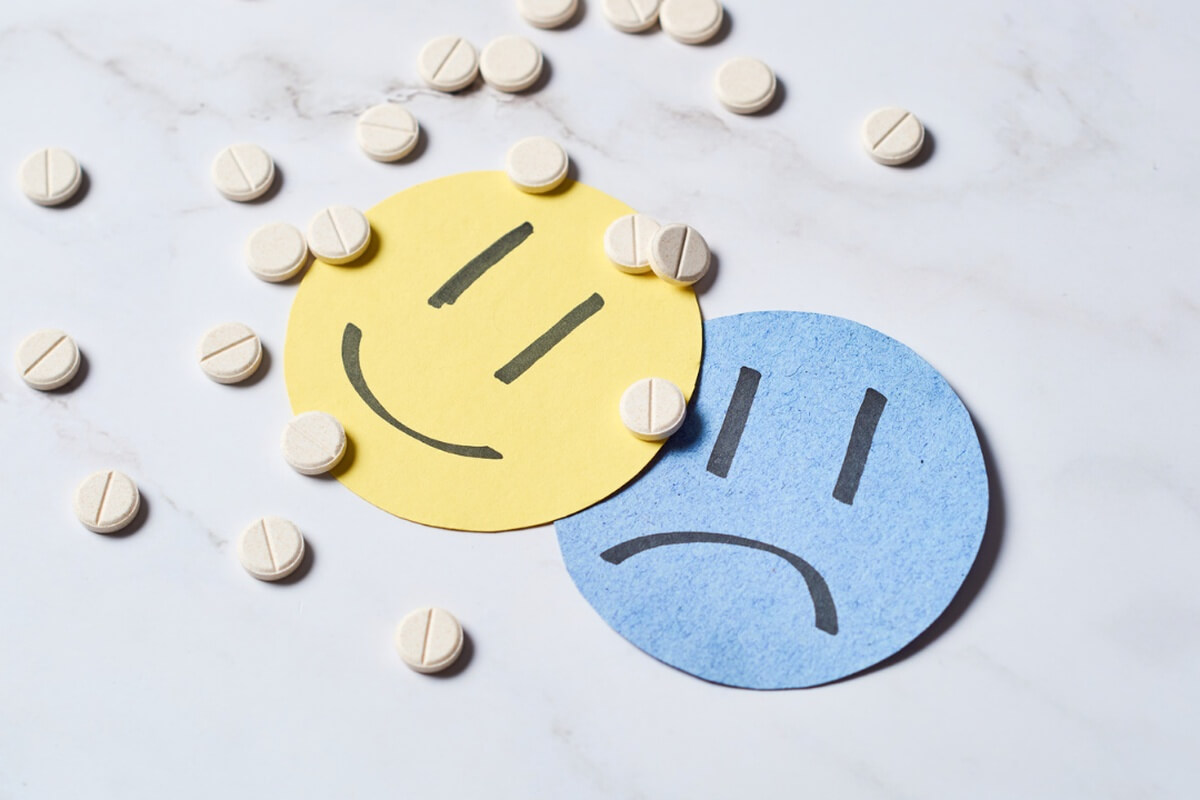
Living with anxiety or depression while struggling with substance use can feel like a cycle with no exit. You may drink or use to cope with difficult feelings, only to find those feelings growing stronger over time. You’re not alone in this, and you’re not facing two unrelated problems. Mental health and substance use are often closely connected, and recovery works best when both are addressed together.
What Are Co-Occurring Disorders?
Co-occurring disorders, often called a dual diagnosis, describe a mental health condition and a substance use disorder that are present at the same time. Anxiety and depression are among the mental health concerns most commonly seen alongside alcohol or drug use. Trauma-related conditions are also common.
According to the research, substance use disorders and other mental health conditions frequently occur together. NIDA also notes that the two often share underlying risk factors, such as genetics, stress, and trauma. These conditions don’t simply exist side by side. They influence each other in ways that call for specialized care.
How Do Mental Health and Substance Use Affect Each Other?
When Mental Health Symptoms Lead to Substance Use
Many people first turn to alcohol or drugs to manage anxiety, sadness, or stress. A drink might seem to calm racing thoughts, or a substance might offer temporary relief from low mood. That relief rarely lasts. Over time, more of the substance may be needed to get the same effect, and the original symptoms often return stronger.
When Substance Use Worsens Mental Health
Alcohol and drugs affect the brain chemistry involved in mood, sleep, and stress response. Regular use can intensify anxiety and depression, disrupt sleep, and make emotions harder to regulate. Withdrawal can bring its own wave of anxiety and low mood.
The result is a cycle in which each condition reinforces the other. Treating only one side of the cycle can leave the other active, which makes lasting recovery harder.
Why Is Integrated Care Recommended Over Treating Them Separately?
In the past, mental health and addiction services often operated independently. A person might see one provider for depression and a different program for substance use. That approach can lead to:
- Treatment plans that don’t account for how the conditions interact
- An incomplete picture of a person’s overall health
- Gaps in care where one concern receives less attention than it needs
Research recognizes integrated treatment as the recommended approach for co-occurring disorders. In integrated care, one coordinated team addresses mental health and substance use together. Your therapists, counselors, and medical providers share information and work toward the same goals, so each part of your treatment supports the others.
Families searching for dual diagnosis treatment in NJ can look for this kind of coordination. It’s a sign that care is designed around the whole person.
Why Does Assessment Come First?
Effective care begins with understanding. A professional evaluation looks at:
- Mental health concerns and how they show up in daily life
- Patterns of substance use
- How mood and substance use influence each other
- Physical health considerations
- Personal strengths, support systems, and environmental factors
Our post on how clinical assessments help determine the right addiction treatment program explains this process in more detail.
What Does Individualized Planning Look Like?
No two people experience co-occurring disorders the same way, so no two treatment plans should look the same. Based on your assessment, your care team builds a plan that may combine evidence-based therapies, holistic wellness practices, and ongoing support. Choosing the right level of care is part of this planning. Plans are reviewed as you progress, so care keeps pace with your needs.
Frequently Asked Questions
What does a professional assessment look at?
It looks at your mental health, substance use, physical health, and personal circumstances, so your care team can understand how these areas connect and recommend the right support.
Will I need medication?
It depends on your individual needs. Your care team will discuss whether medication may be helpful as part of a broader treatment plan.
What if I’ve tried treatment before?
Past experiences offer useful insight. An integrated approach may help if earlier treatment focused on only one concern.
Is dual diagnosis treatment covered by insurance?
Many plans include coverage. Learn more in our guide to verifying your insurance benefits.
Take the First Step Toward Integrated Care
You don’t have to untangle anxiety, depression, and substance use on your own. At Restore Health & Wellness in Randolph, we provide compassionate, individualized addiction treatment in New Jersey that addresses your whole health picture. Call 888-403-7275 or contact our team to schedule a confidential assessment.